SEMPRE-BIO final event reports pilot findings and examines barriers to biomethane deployment
Barcelona, 29 October – At its Final Event on 23 September, SEMPRE-BIO presented the results and limits of four years of work on biomethane production in Spain, France and Belgium. In the first roundtable, SEMPRE-BIO and three other European projects compared the setbacks they faced during demonstration and discussed the flexibility needed when plans changed. In the second, SEMPRE-BIO partners and external experts examined how regulation, market conditions and local acceptance affect wider biomethane use.
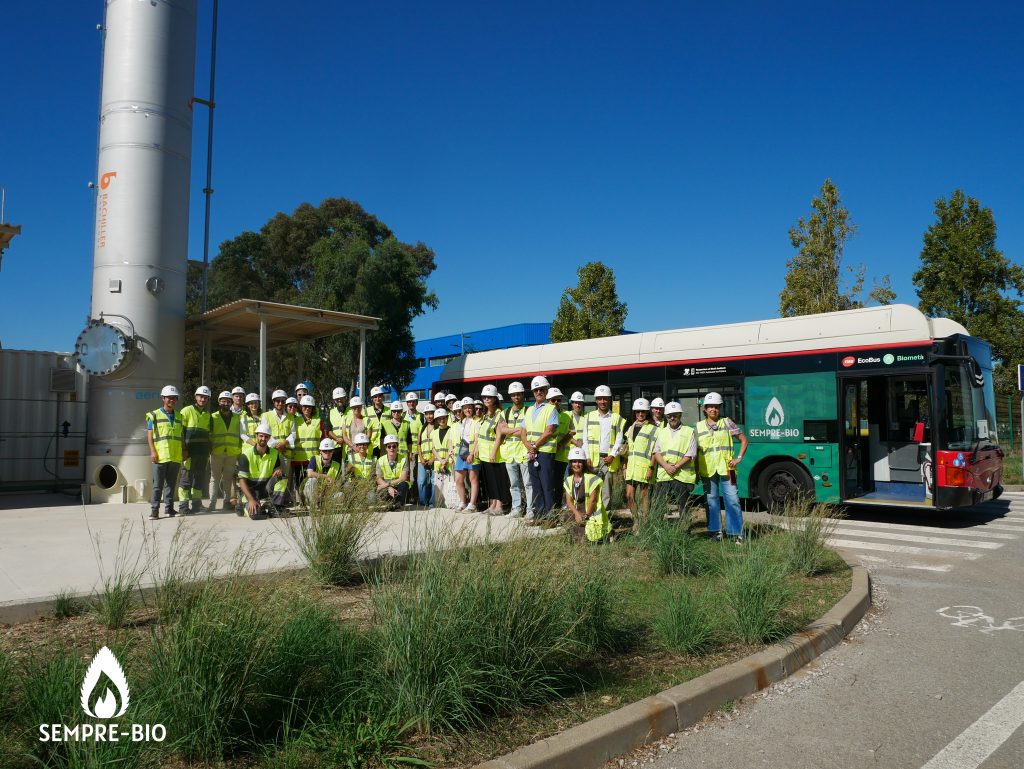
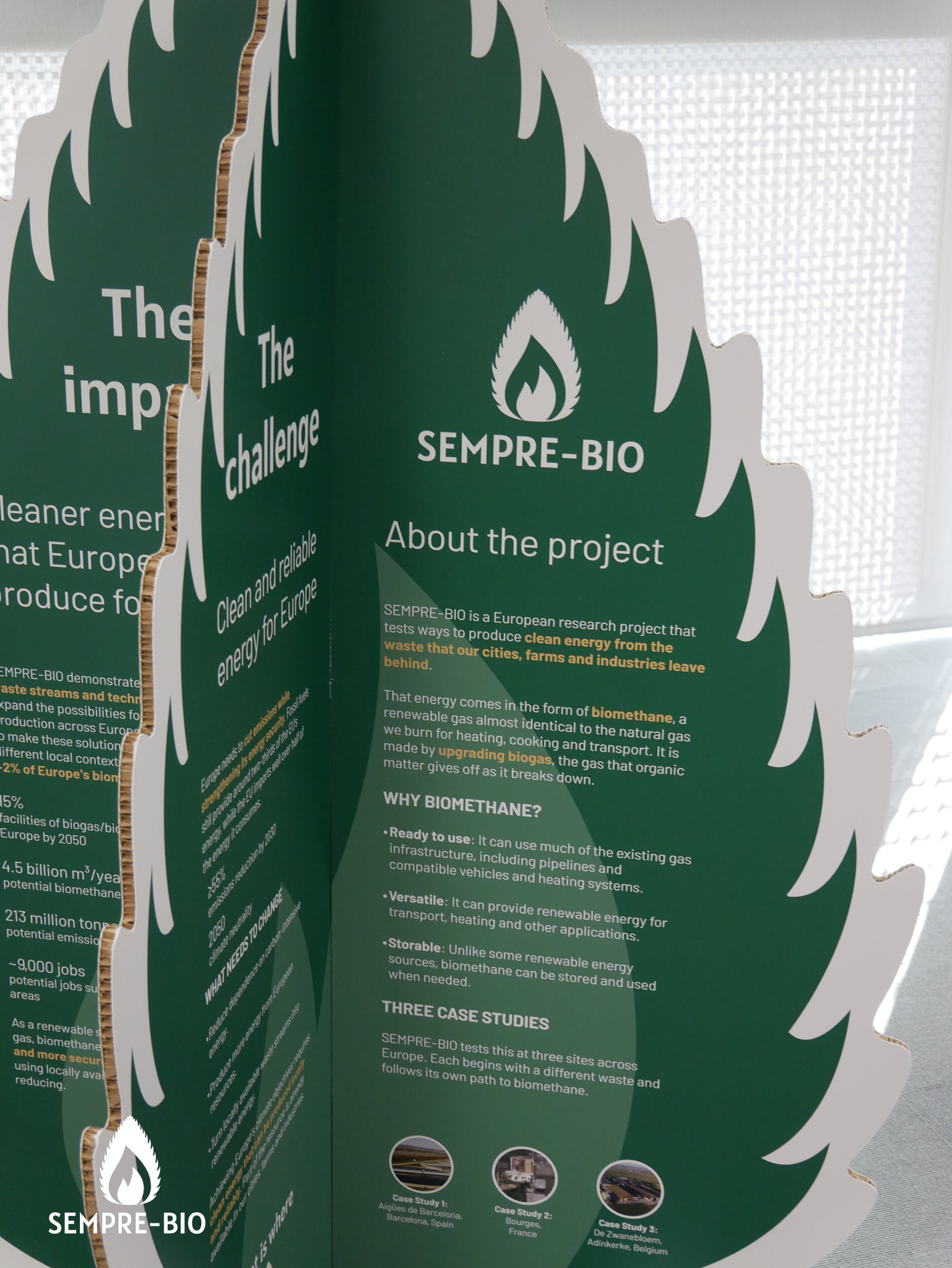
SEMPRE-BIO is a Horizon Europe project testing different ways to produce biomethane from locally available resources. During the event’s first main session, its partners reported on three demonstration sites:
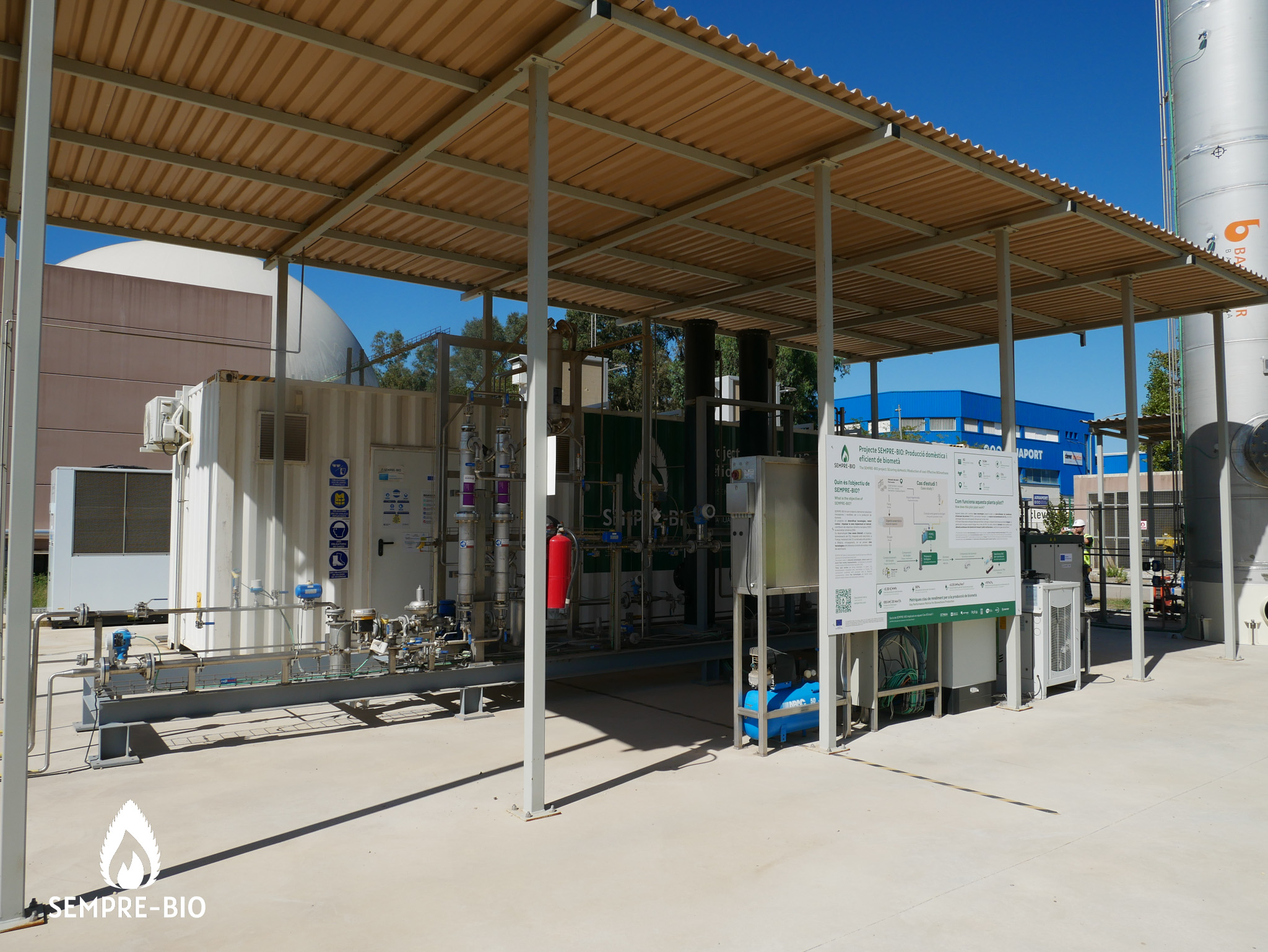
- At the Baix Llobregat wastewater treatment plant, SEMPRE-BIO aimed to produce biomethane for buses from biogas generated at the plant. The team advanced the development and validation of the proposed solution by testing key stages of biogas treatment and compression.
- In France, the team integrated pyrolysis, syngas cleaning and biological methanation and tested them with real syngas. The resulting biogas still needs upgrading before grid injection.
- At a dairy farm in Belgium, a cryogenic pilot separated methane-rich gas and a high-purity CO₂ stream from farm biogas. Testing identified further work needed to reduce energy use and improve equipment design.
The project also investigated uses for CO₂ and digestate, the nutrient-rich material left after anaerobic digestion. Experiments included production of succinic acid, PHA biopolymers and protein-rich biomass. Across the different case studies, the project also used modelling to assess costs, greenhouse gas emissions and broader social impacts associated with the scale-up of the proposed solutions.
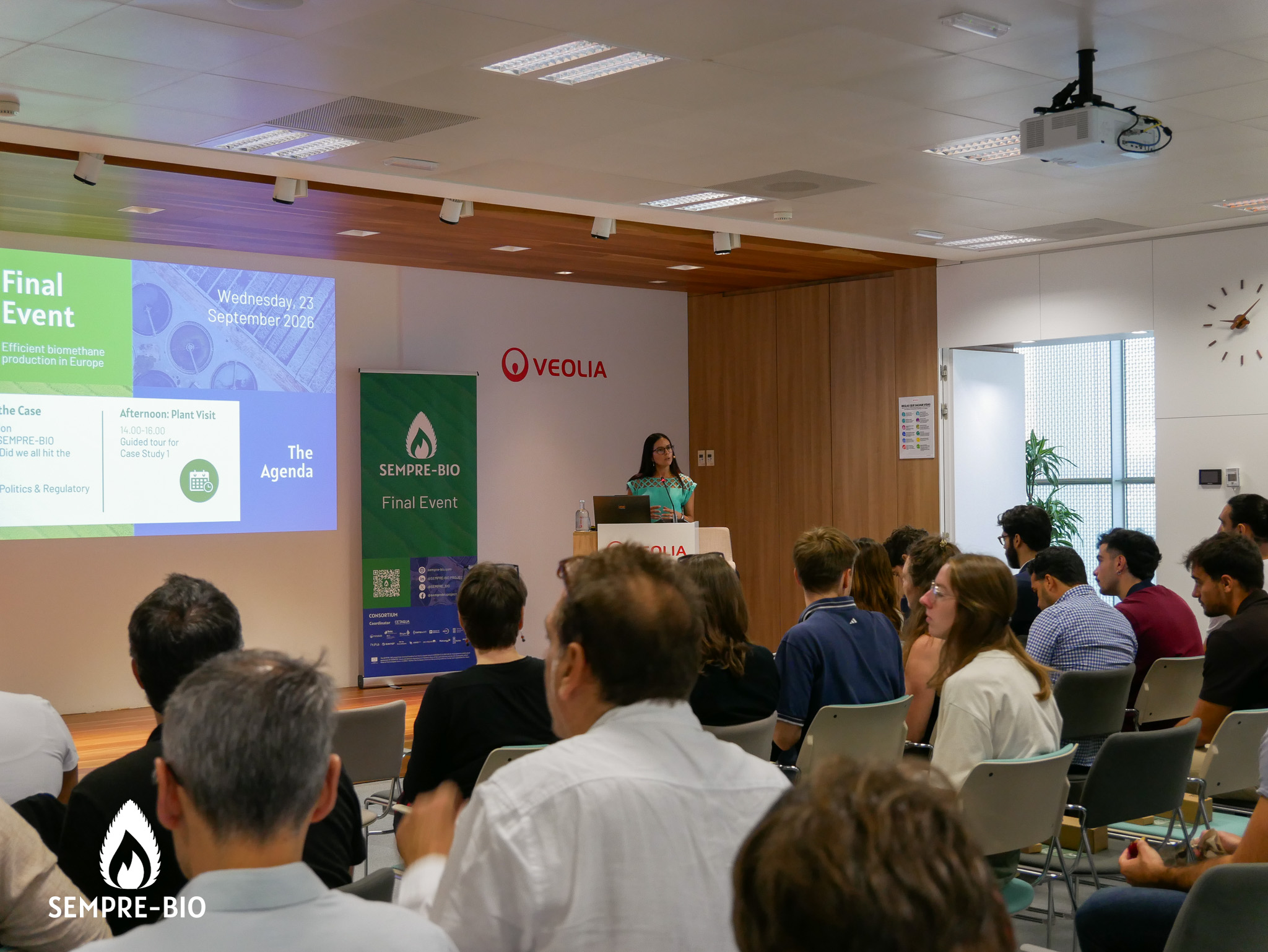
In the first roundtable, moderated by Alejandra Córdova, SEMPRE-BIO Project Coordinator, representatives of Biomethaverse, HyFuelUp, Value4Farm shared experiences and lessons learned from the demonstration phase of their respective projects. The discussion highlighted challenges related to equipment sizing and availability, changes in demonstration sites, financing, technology integration and safety requirements such as ATEX. These experiences underlined the importance of flexibility, rapid adaptation and early identification of alternative pathways when developing and validating innovative technologies, helping projects respond effectively to unforeseen challenges and maximise the results achieved.
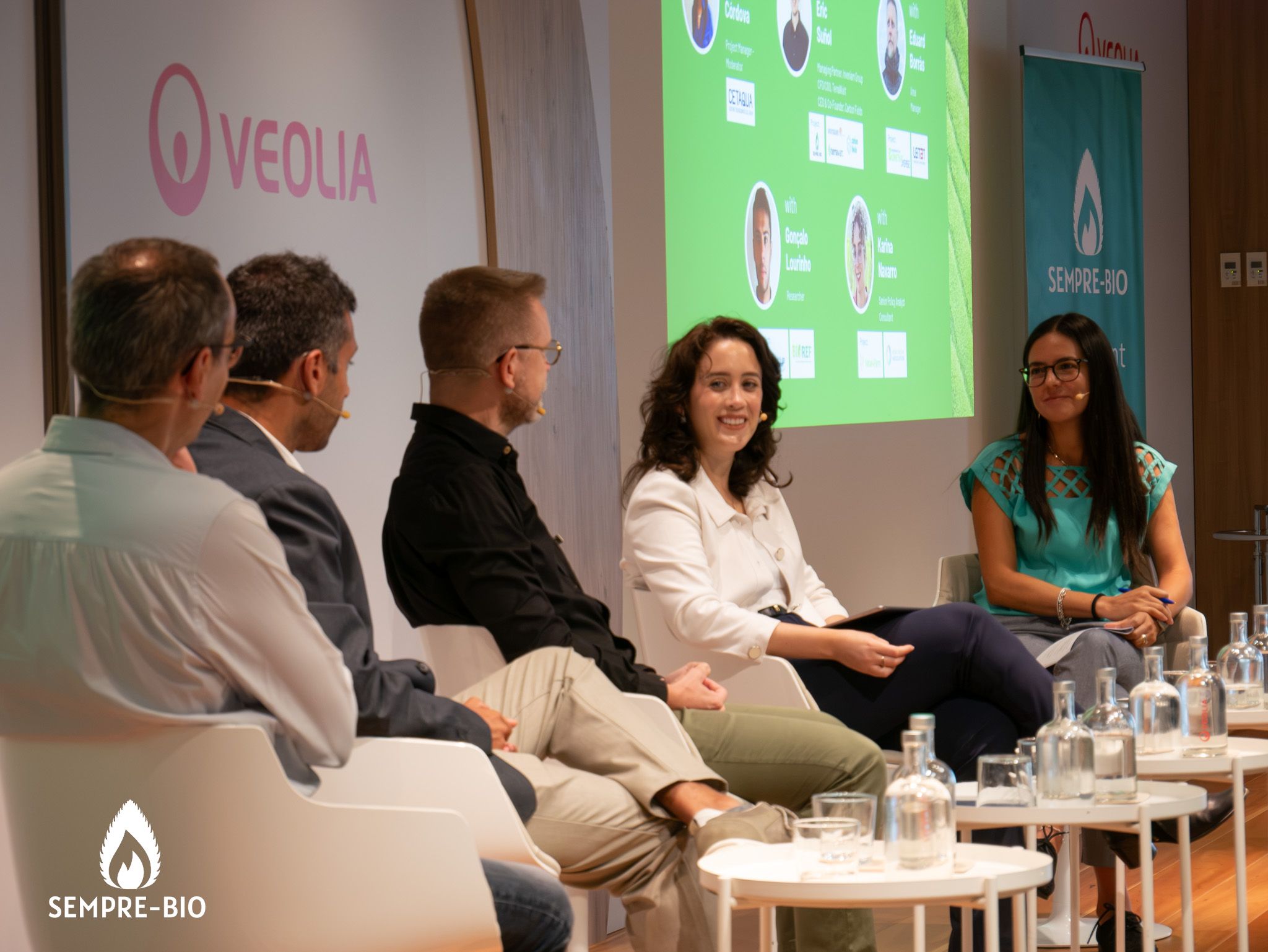
The second roundtable, with Mario Ruiz, Head of Climate and Environmental Action at Aigües de Barcelona, as moderator, addressed barriers that remain even when a process can be operated. Participants from the European Biogas Association, Biogas Danmark, Naturgy, Veolia, TMB and BETA Technological Centre discussed permitting, access to gas networks, certification and guarantees of origin, limitations to cross-border trade, the lack of sufficient incentives, market development for biogas/biomethane and co-products, and local acceptance.
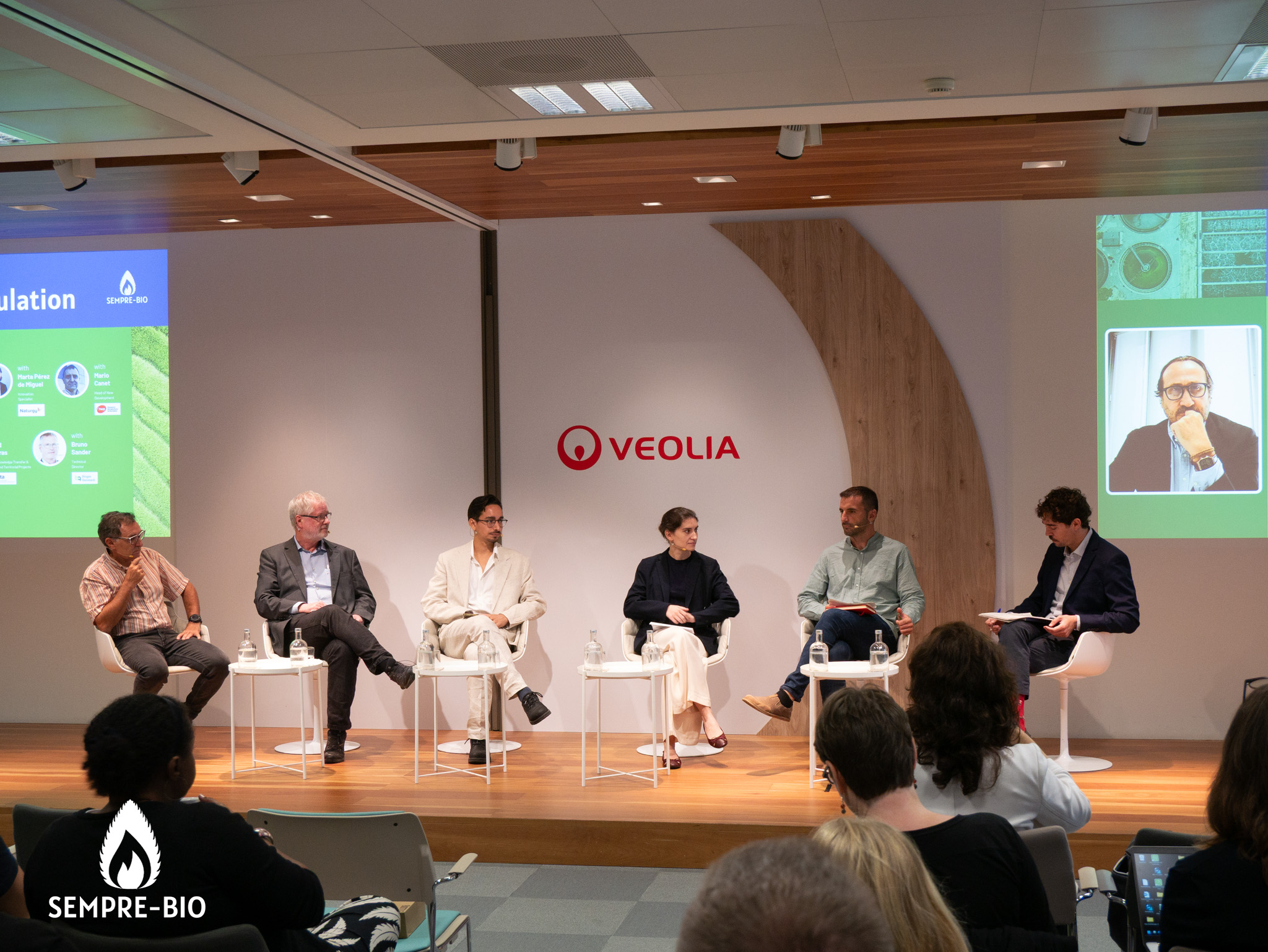
Bruno Sander Nielsen of Biogas Danmark pointed to Denmark’s 2012 premium for upgrading biogas and access to the gas grid on reasonable terms at the time. Together, he said, they helped projects that had been planned for years secure financing and get built. Asked to name one change that could speed deployment, Pablo Molina of the European Biogas Association argued that there was no single fix: incentives to produce or buy biomethane would have limited effect if permitting, grid connection and delays in implementing policy remained unresolved.
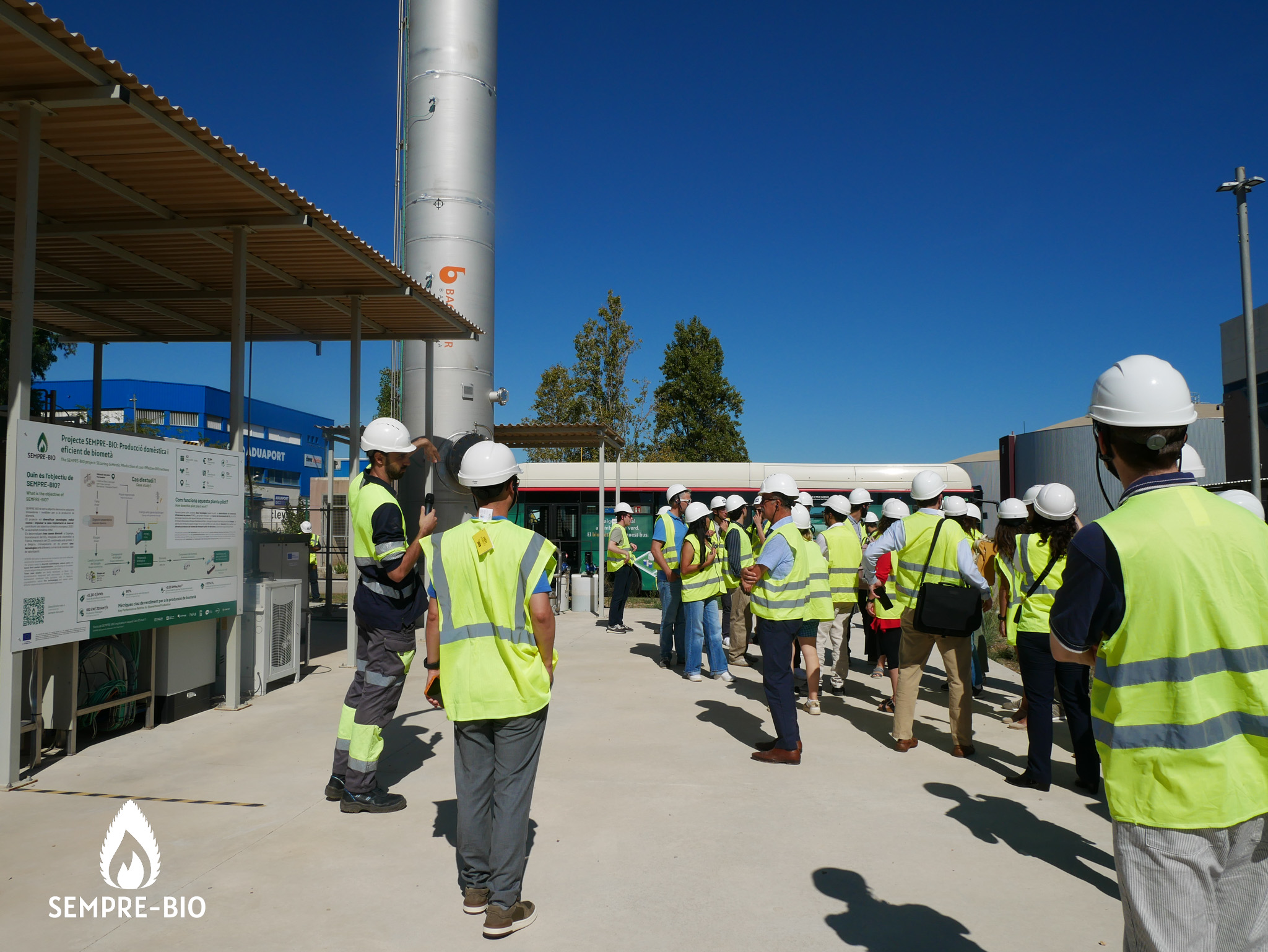
The event concluded with a visit to the SEMPRE-BIO demonstration site at the Baix Llobregat Wastewater Treatment Plant in El Prat de Llobregat (Spain), operated by Aigües de Barcelona. Participants had the opportunity to see first-hand the biological methanation and hydrogen production systems developed as part of the project, as well as discuss operational experiences, technical challenges and lessons learned directly with the project partners responsible for the pilot.
SEMPRE-BIO has generated knowledge about the opportunities and technical challenges of three different biomethane pathways, including what their integration at operating sites requires and where further development is needed. The Final Event placed those findings alongside the experience of other projects and the regulatory and market conditions that will influence wider deployment in Europe.
About SEMPRE-BIO
SEMPRE-BIO, SEcuring doMestic PRoduction of cost-Effective BIOmethane, is a Horizon Europe project involving 17 partners.
Media contact
Laia Mencia
Inveniam Group – Project Manager
laia@inveniam-group.com
+34 930 181 691
EU funding acknowledgement and disclaimer
Funded by the European Union under Grant Agreement No. 101084297. Views and opinions expressed are however those of the author(s) only and do not necessarily reflect those of the European Union or the European Climate, Infrastructure and Environment Executive Agency (CINEA). Neither the European Union nor CINEA can be held responsible for them.