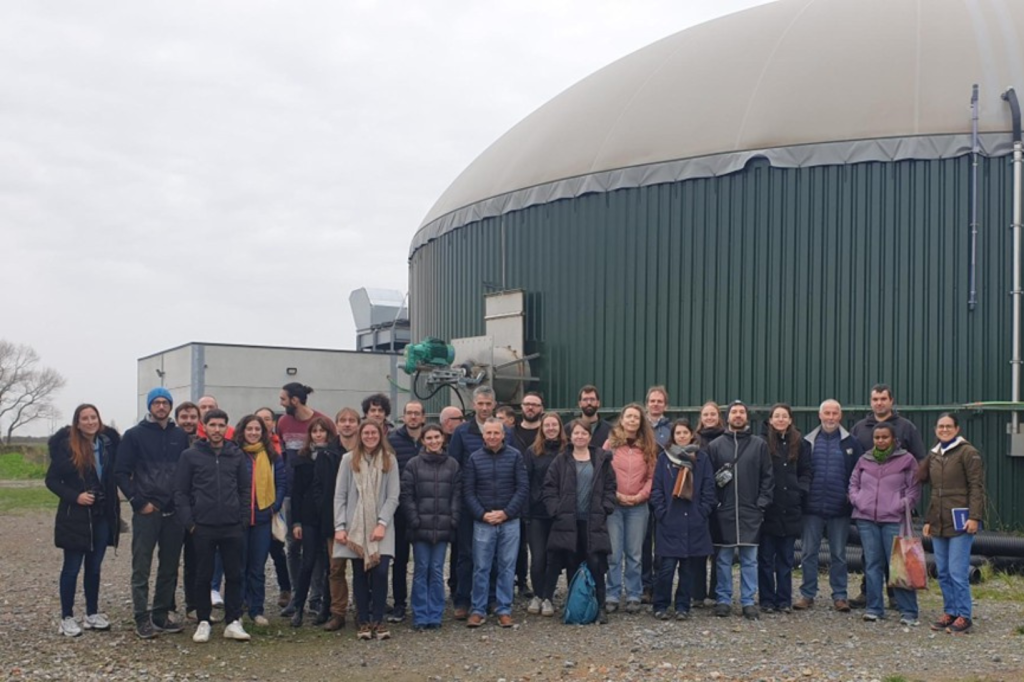
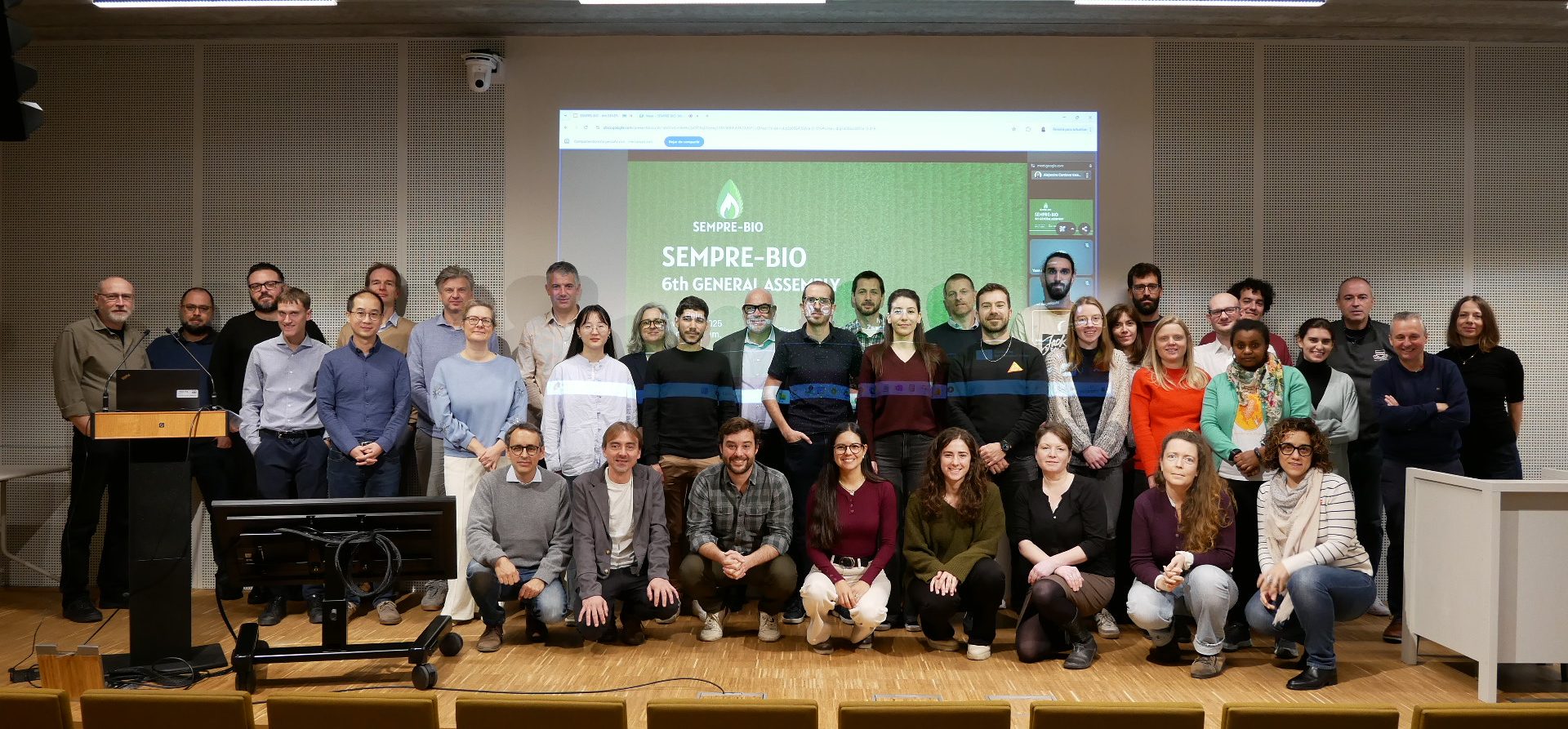
The SEMPRE-BIO consortium met in Ghent on 13–14 November 2025 for its sixth General Assembly. Hosted by Ghent University, the meeting provided a space to review progress, explore technical issues and outline upcoming steps towards domestic, cost-effective biomethane production. Over two days of presentations, discussions and site visits, partners reiterated their commitment to advancing biomethane, bioproducts and circular bioeconomy pathways.
Where each site stands
Case Study 1: Biomethanation and Electrolysis (Cetaqua)
Case Study 1 reported solid progress despite setbacks related to the commissioning of the PEM electrolyser and biomethanation unit. Repairs following leakages, follow-up from the ATEX assessment and ongoing inoculum adaptation tests presented a realistic assessment of both challenges and promising developments. Key next steps include completing I/O checks, ensuring UPW supply and moving towards final commissioning.
Case Study 2: Pyrolysis–Biomethanation Integration (TerraWatt)
TerraWatt reported progress on both the pyrolysis and biomethanation systems. Early-stage issues related to cabling, automation logic, kiln performance and the heat exchanger’s integrity were detected and are currently being addressed. The biomethanation unit has already been installed and is now undergoing automation set-up and data-logging configuration.
Case Study 3: Anaerobic Digestion and Cryogenic Upgrading (CryoInox & UGent)
Case Study 3 reported significant achievements. The anaerobic digestion system at the farm continues stable operation, and the cryogenic upgrading demo plant has produced its first industrial-grade CO2 batch, marking a key step towards validating cryoseparation technology. Optimisation remains central, with continuous operation targeted for early 2026. Parallel research on biogas desulfurisation using sulfide-oxidising bacteria also showed encouraging progress.
CO2 valorisation
UVic presented progress on succinic acid, PHA and microbial biomass production. Pressurised fermentation conditions are improving succinic acid yields, while microalgae and purple phototrophic bacteria grown on digestate-based media are delivering protein-rich outputs. These advances move the project closer to integrated bioproduct valorisation strategies. Work with biogenic CO2 will continue refining these processes.
The sustainability and modelling teams from DBFZ and SINTEF shared updates on techno-economic, environmental and social assessments. Their findings confirmed that biomethane can be cost-covering at relatively low electricity prices, and environmental modelling revealed impressive mitigation potentials across the three case studies—particularly in systems benefiting from manure management efficiencies and biochar carbon sequestration.
Dissemination, communication and exploitation activities were also reviewed. The project continues to reach broad audiences with strong engagement metrics. With Phase I of the tech-to-market plan nearing completion, work will soon shift towards more advanced exploitation actions and preparation of the project’s business plan.
The management session confirmed that financial and administrative work is progressing as planned and partners also discussed the schedule for upcoming assemblies: an online meeting followed by the final event and General Assembly in the next year.
Field Visit
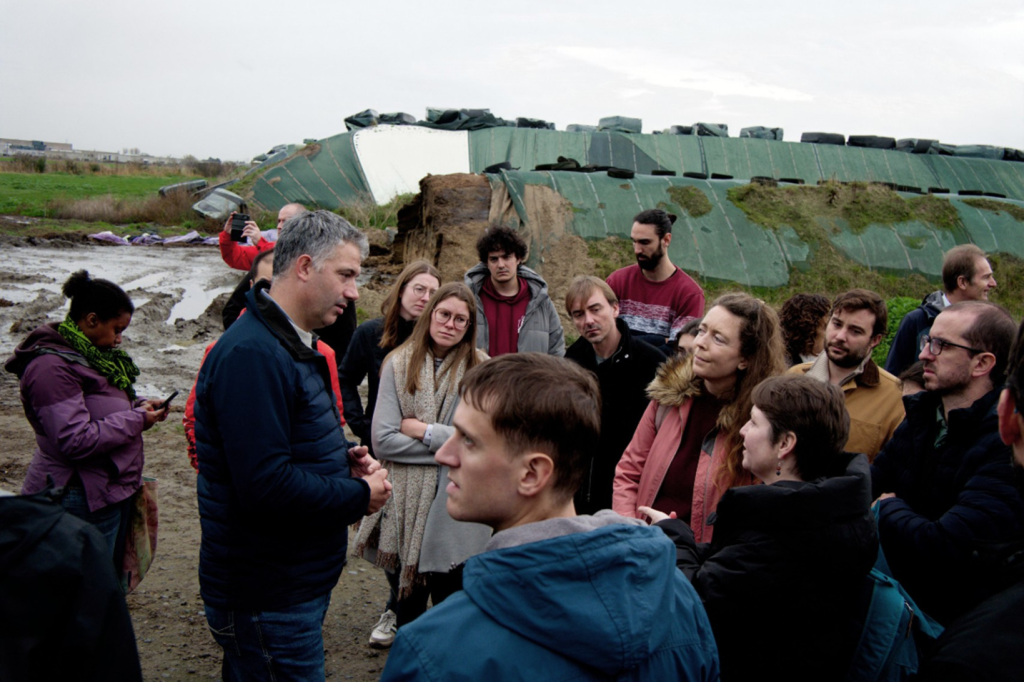
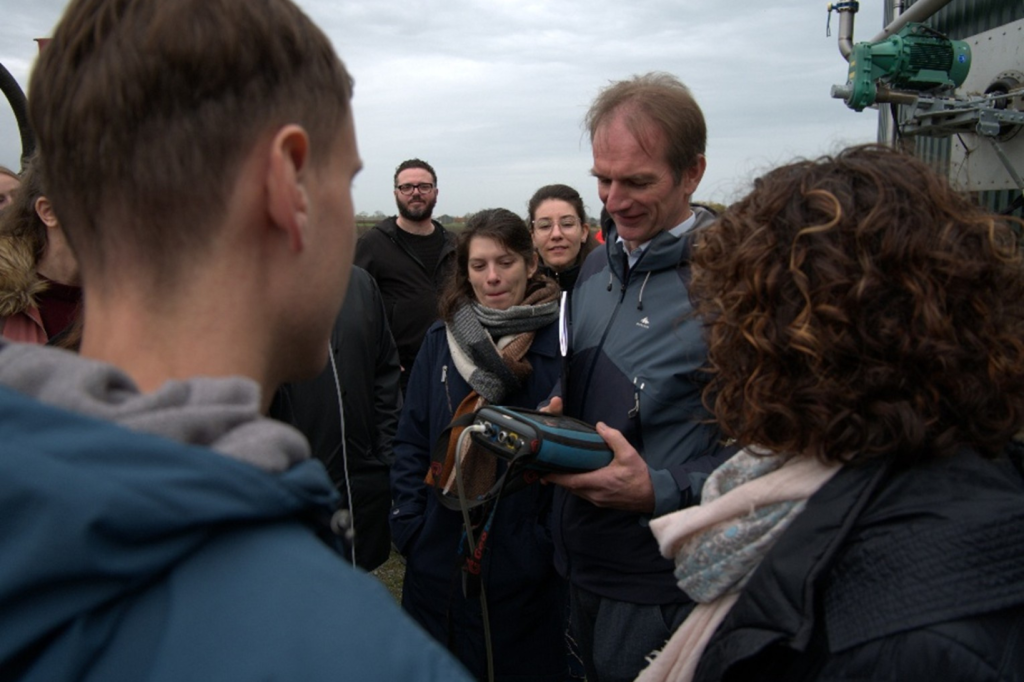
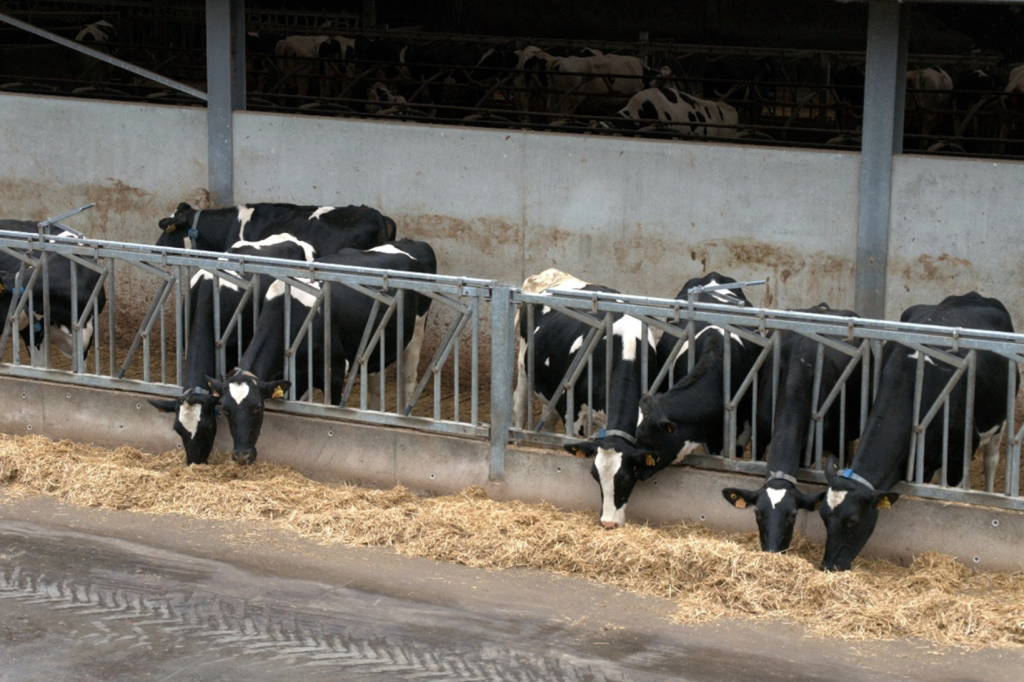
The second day was dedicated to site visits. Partners visited the dairy farm De Zwanebloem with integrated anaerobic digestion, the cryogenic upgrading demo plant from Case Study 3 and the Innolab facilities with a photobioreactor for microalgae cultivation. These visits allowed partners to observe operational systems first-hand and appreciate the technical complexity behind biomethane production, CO2 valorisation and microbial bioprocessing.