A Quick recap
In this blog page, we provide a concise overview of the progress made toward the commissioning of CS2, one of the three European Biomethane Innovation Ecosystems (EBIEs) developed within the SEMPRE-BIO consortium.
At our partner TerraWatt’s site in Marmagne (France), we aim to valorize green waste and agroforestry residues by developing an innovative process that combines pyrolysis and biomethanation. The first step of the process is biomass pyrolysis, a thermochemical conversion that produces two valuable outputs:
- Biochar, a stable carbon-rich material that acts as a long-term carbon sink, and
- Syngas, a gaseous mixture composed of several compounds.
In the second step, this syngas undergoes biomethanation. In this biological process, specialized microbial communities convert the raw (“dirty”) syngas into biogas, mainly composed of biomethane and CO₂.
Key milestones Achieved
Several important milestones have now been reached:
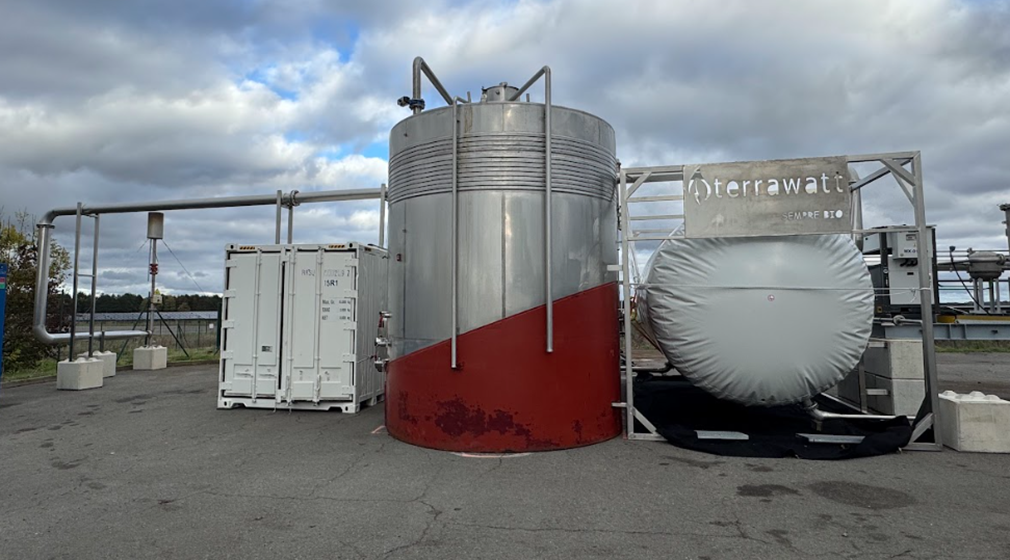
- Equipment installation: The pyrolysis unit has been installed, and the biomethanation unit has been constructed in line with the project design. A dedicated pipeline connecting the two units is now in place, enabling the transfer of syngas to the biomethanation reactors. All auxiliary systems, such as heating and cooling circuits, compressed air, and utilities, have also been installed.
- Equipment integration: Software installation, input/output checks, and leak tests have been successfully completed. These steps confirmed that all sensors, control systems, and equipment are properly connected and fully operational.
- Safety assessment: A comprehensive safety study has been conducted to ensure that all necessary preventive and protective measures are implemented.
- Pyrolysis commissioning: The pyrolysis unit has been tested using several types of biomass. Initial start-up challenges were identified and resolved, allowing the unit to operate reliably.
Next steps
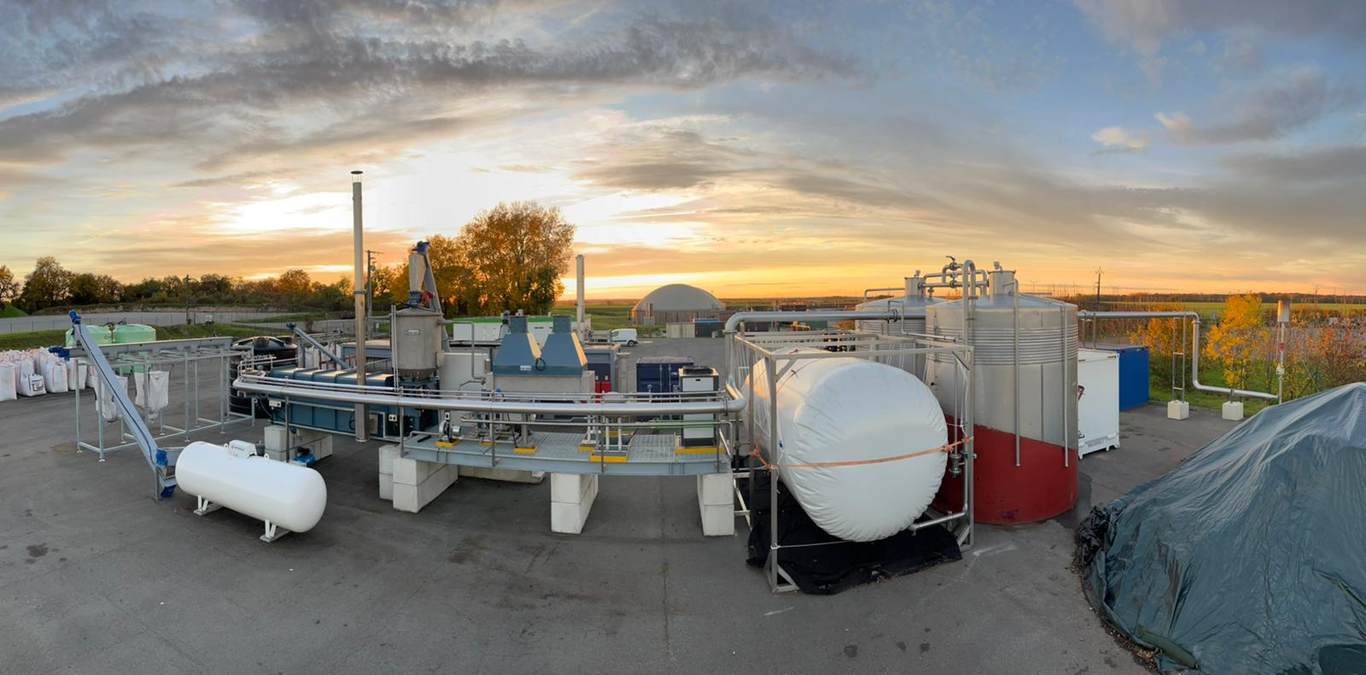
The next major milestone is the commissioning of the fully integrated system, coupling the pyrolysis and biomethanation units. Because biomethanation is a biological process, the reactors must first be inoculated with the appropriate microbial communities. The operating conditions, particularly temperature, will be carefully controlled to allow the bacteria to grow, while syngas is progressively supplied. Once a stable biological activity is established, we will begin testing different operating conditions to identify the parameters that deliver the highest syngas-to-biogas conversion efficiency.
Long-term vision
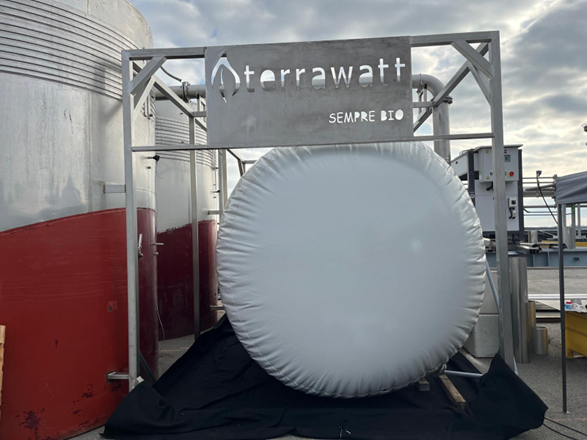
TerraWatt’s mission is to support climate change mitigation by producing renewable biomethane and biochar, a durable carbon removal solution. Their ambition is to deploy multiple plants in regions where biomass is locally available and currently underutilized.
This integrated approach addresses climate goals through both renewable energy production and long-term carbon storage, creating value from resources that would otherwise go unused and supporting circular, low-carbon business models.
For more information, check the Case Study 2 video here: